We baled it before we brokered it.
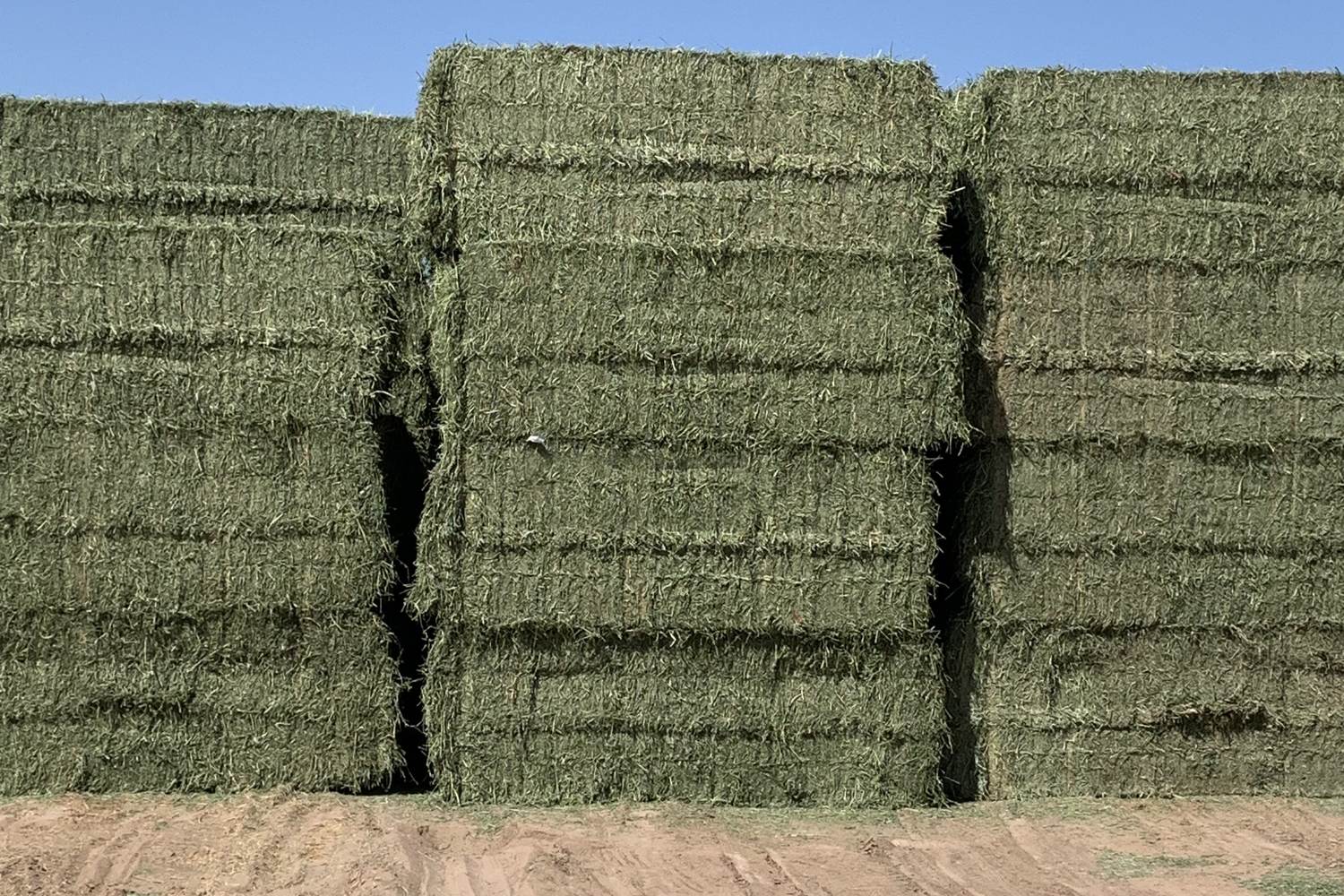
Davis Hay Co. has been brokering hay in the Imperial Valley since 2008. Before that the work was custom hay — cutting, raking and baling other growers' crop across this valley. It's why we judge a stack by how it was grown, cut and stored first. Tests support a sale. They don't replace judgment.
Market culture
Nobody asks for
the same numbers.
Dairy, equine, export and local livestock buyers do not want the same hay or the same paperwork. Pick a market and see what it actually asks for.
Dairies are among the most likely to want a report before they commit, and the most likely to care that the next load matches the last one.
Plenty of horse buyers never ask for a sheet. The ones who do usually have a specific animal and a specific reason, and they'll tell you what it is.
The most paperwork-heavy market of the four. What's required is set by the destination country and the compressor, not by us — so the earlier you tell us, the better.
Most of this moves on a look and a handshake. That isn't a lower standard — it's a buyer who already knows what he's looking at.
General patterns, not rules. Requirements are set by your buyer and your destination, and they change. Tell us the end use and we'll say what's actually needed for that load.
How we got here
Two trades,
in order.
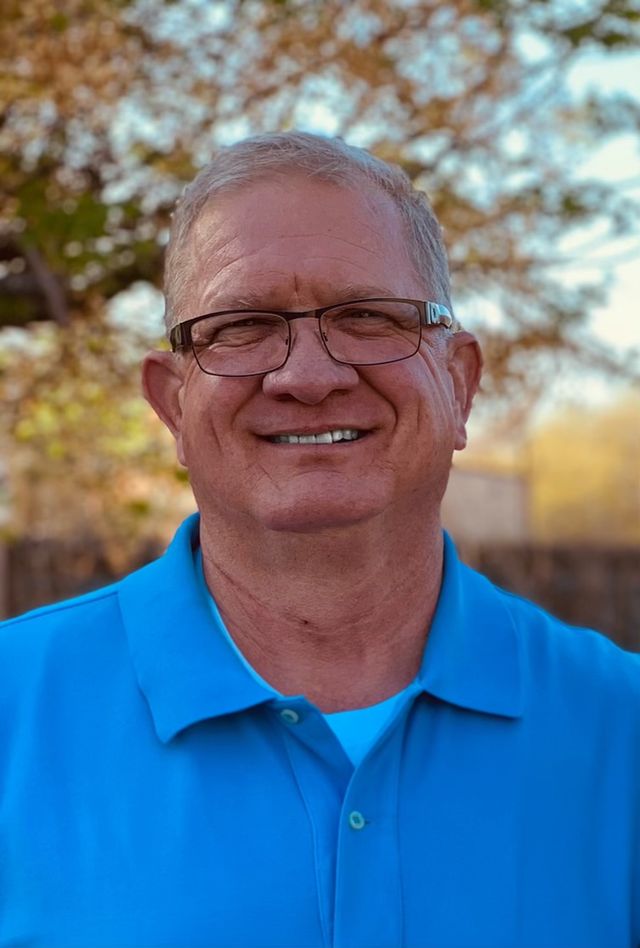
Steve Davis
Davis Hay Co. · El Centro
Most brokers learn hay from the buying side. This one started at the other end of it — in the field, on the equipment, putting the crop up for somebody else.
Custom hay
Cutting, raking and baling other growers' crop on contract across the Imperial Valley. Years of putting hay up before ever selling a load of it.
Brokering begins
Davis Hay starts finding buyers for other people's hay. The field knowledge came along with it — same valley, same growers, different side of the deal.
Incorporated
Davis Hay Co., Inc. registered in California. Still one office in El Centro, still the same phone number.
Two customers
Both ends
of the deal.
Growers need a stack moved without running a sales desk. Buyers need hay that suits what they're actually doing with it. Markets change — we stay flexible so we can match the load to the buyer, the season, and the end use.
Dairy, equine, export & livestock
Tell us the end use and any specs you're held to. We'll tell you what fits and whether a test is worth running.
- Alfalfa, Sudan, Bermuda and Klein grass
- Straight grading — leaf, color, weeds, rain damage, how it was stored
- Lab analysis arranged when you want it or your market requires it
- Pickup and local movement across the valley
- Repeat supply through the season, not one lucky stack
Growers
You cut it. We find the buyer and keep the whole stack moving instead of leaving you the leftovers.
- Access to dairy, equine, export and local buyers
- Honest read on what your hay will actually fetch
- Sampling and testing arranged if the buyer needs it
- Relationships in this valley going back before the brokerage
- Terms you can plan a season around
Hay testing
Testing depends
on the buyer and
the market.
Dairy, equine, export and local livestock buyers do not all ask for the same numbers. Some loads move on visual grade and experience. Others need a lab report. We don't pretend either one is always right.
When it's requested
Analysis can be arranged to fit the use of that hay. Typical items include protein, fiber, moisture, RFV/RFQ, TDN, nitrates, and whatever else the market calls for.
When it isn't
Plenty of hay moves on a look and a handshake, and that's not a shortcut. Quality gets judged first by how the crop was grown, cut, baled and stored — and by who it's going to.
Worth knowing
The sampling matters as much as the lab does. A report is only as good as the core it came from, which is one more reason to have someone who knows the stack pull it.
Tell us the end use and any required specs when you call. We'll say whether a test is needed and what package makes sense for that load.
Supply timing
The valley cuts
when others can't.
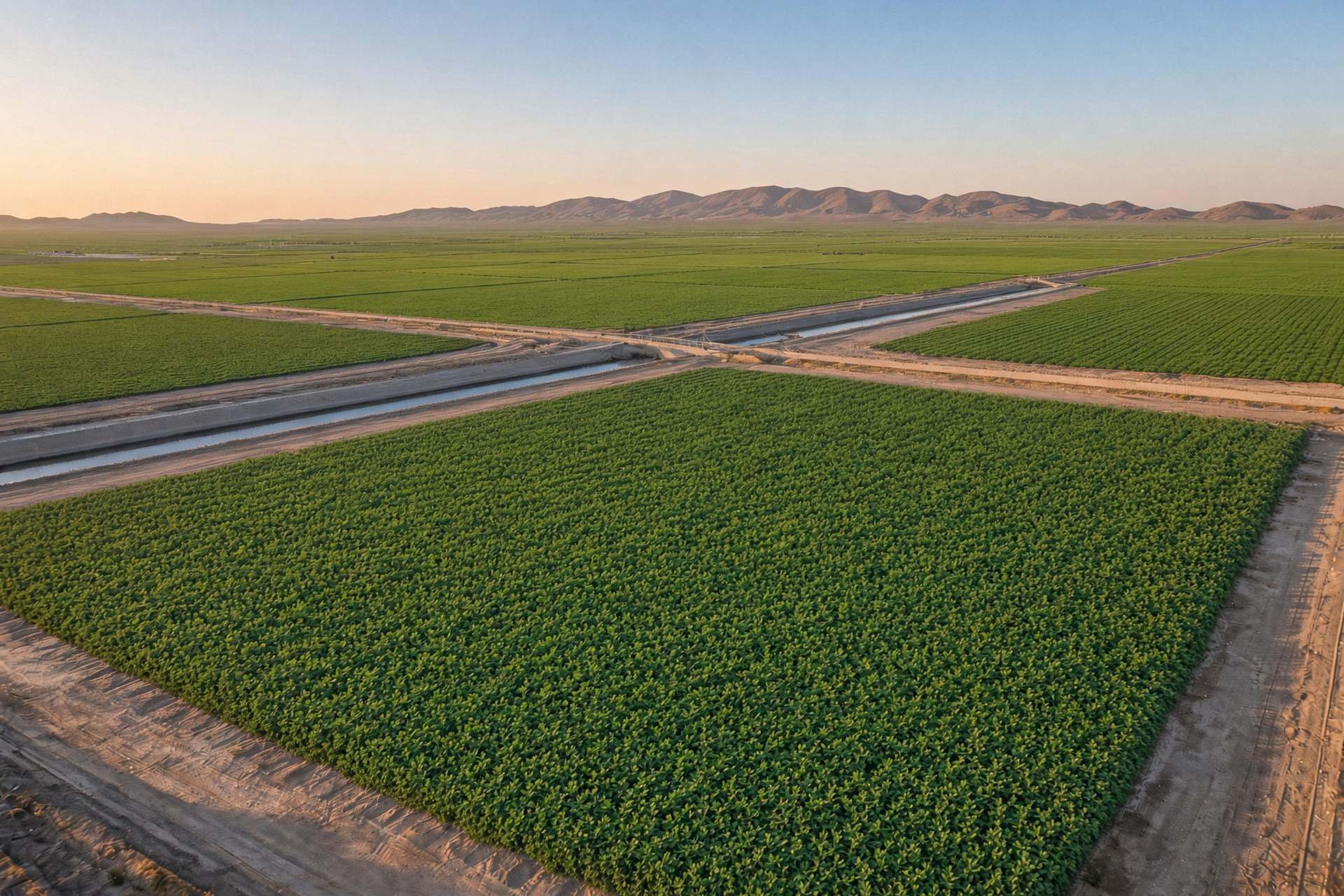
Below sea level, mild winters, Colorado River water. Alfalfa here is perennial and cut eight to ten times a year, so supply keeps coming in months when other growing regions have nothing standing.
| Forage | Jan | Feb | Mar | Apr | May | Jun | Jul | Aug | Sep | Oct | Nov | Dec |
|---|---|---|---|---|---|---|---|---|---|---|---|---|
| Alfalfa | ||||||||||||
| Sudan | ||||||||||||
| Bermuda | ||||||||||||
| Klein |
Summer heat pulls quality down on everything — mid-season alfalfa gives up leaf and color. Spring and late fall are where the best cuttings come from.
Service area
Imperial Valley,
Yuma County,
Central California.
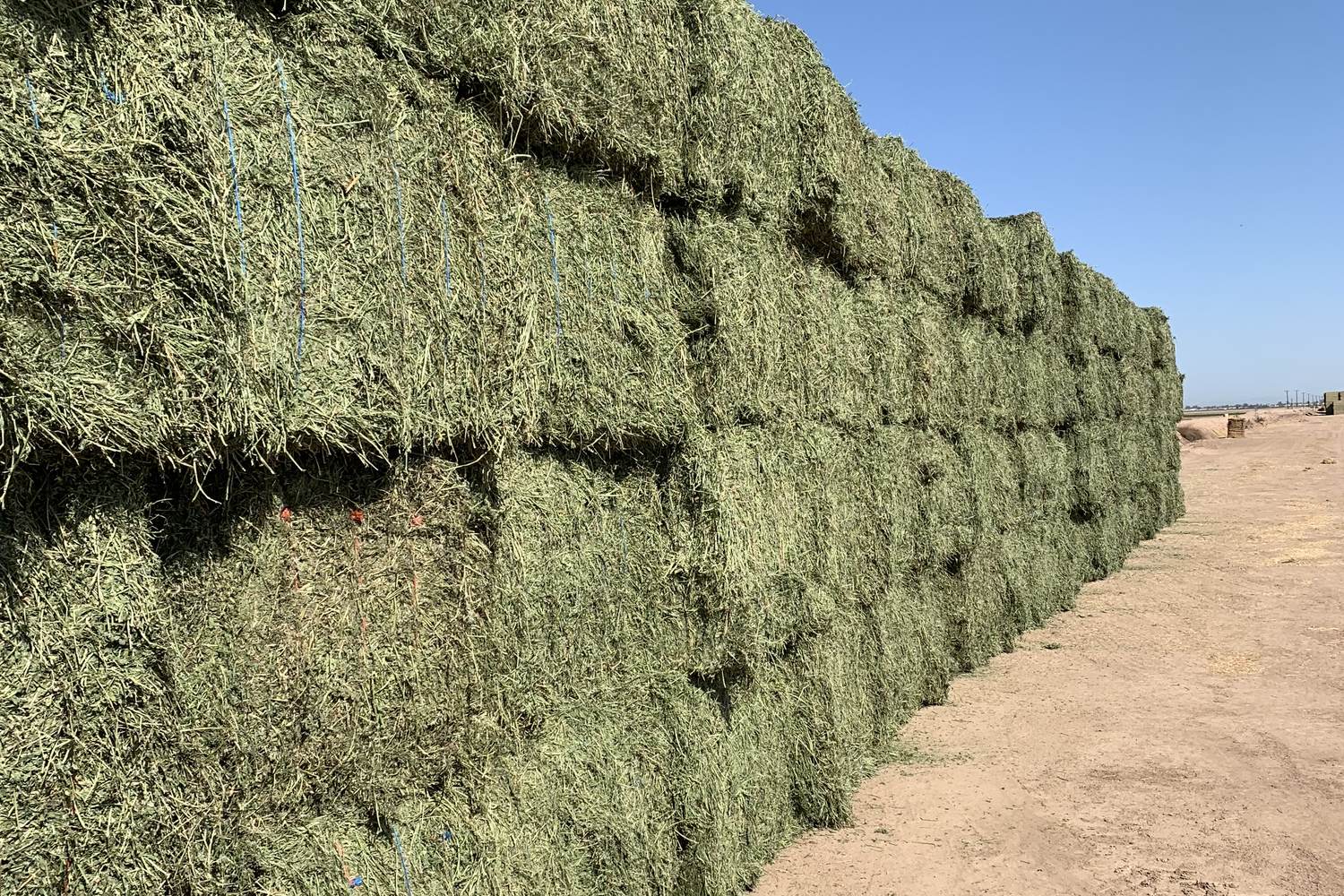
Pickup, local movement and brokerage across this area.
CaliforniaImperial County
ArizonaYuma County
CaliforniaCentral Valley
Destinations
Where the
loads go.
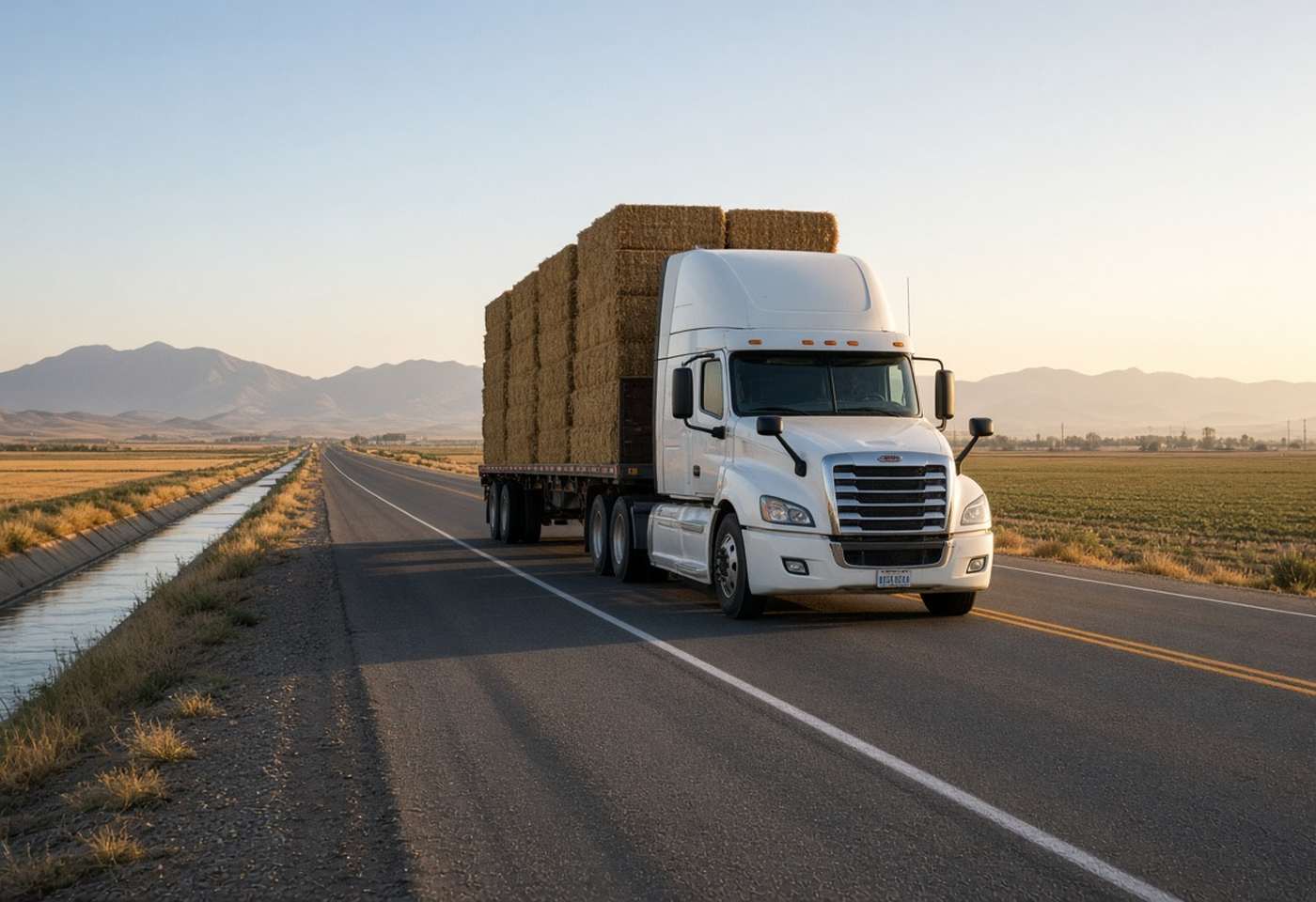
We source out of the valleys above and deliver across the greater Southwest. If your yard isn't on this list, ask — most of it comes down to freight, and freight can usually be worked out.
International buyers
Imperial Valley hay
already feeds
your market.
Forage grown in this valley reaches dairies and feedlots in Asia, the Gulf states and Mexico every week of the year. Davis Hay Co. is where a good deal of it starts — we originate the hay and sell it to the compression and export programs that containerize and ship it. Overseas buyers and their North American representatives are welcome to contact us directly.
What we do
We source alfalfa, Sudan, Bermuda and Klein grass against a stated specification, grade it honestly before it moves, and deliver it to your yard, your compressor or your designated receiver inside the United States.
What we do not do
We do not operate a press, a container yard or a vessel booking desk. Compression, containerization, phytosanitary documentation and ocean freight are handled by the export companies we supply. We will tell you plainly which part of the chain is ours.
Making contact
Business is conducted in English. Telephone is fastest and the line is answered directly during office hours; written inquiries are answered within one business day. Please state your destination market, required specification and any documentation your port of entry demands.
Why this valley
The Imperial Valley sits below sea level with mild winters and Colorado River water. Alfalfa here is perennial and cut eight to ten times a year, so supply continues through months when other growing regions have nothing standing.
Contact
Speak with
Steve Davis.
The fastest route is the telephone. Calls are answered directly — there is no switchboard and no sales desk between you and the person who knows the hay.
Telephone & facsimile
+1 760 353 0556Country code +1 (United States) · Same number for voice and fax
Electronic mail
Head office
Davis Hay Co., Inc.
702 Industry Way, Suite 6
El Centro, California 92243
United States of America
Office hours
Monday to Saturday
08:00 – 17:00 (8:00 am – 5:00 pm)
Pacific Time, UTC−8
· UTC−7 March to November
Inquiries
Purchase inquiries
and supply offers.
Complete the form below and it will compose a message for your email client. Buyers outside the United States are welcome; please state your destination and any documentation your market requires.
Our banking details do not change by email.
If you get a message that looks like it came from us asking you to wire funds to a new account, or to update payment instructions on file, it did not come from us. Call +1 760 353 0556 and confirm with Steve before you move anything. That holds even if the message comes from an address you recognize, and even if it's a reply inside a thread you started.